What to Check After a Hailstorm: A Homeowner's Roof Inspection Guide
Hailstorms can be sudden and violent, leaving behind damage that is not always visible from the ground. For homeowners in areas like Cedar Park, Leander, and nearby North Austin communities, knowing what to look for after a hailstorm can make the difference between a quick repair and a major roof replacement down the line. A thorough inspection helps you document damage early, which is critical for insurance claims and for preventing water intrusion that leads to mold, rot, and costly interior repairs.
This guide walks through the key areas to inspect on your roof after a hailstorm. Work methodically, and if you are uncomfortable getting on a ladder or walking on a roof, consider scheduling a professional inspection instead. Many reputable contractors offer a free roof inspection that covers the same points you would check yourself, often with the added benefit of an experienced eye.
Start with a Ground-Level Look
Before you climb a ladder, walk around your home and look up. Use binoculars if you have them. Check for obvious signs like missing shingles, dented gutters, or damaged flashing around chimneys and vents. Hailstones can bounce off the roof and strike other parts of the house, so note any dents in siding, window frames, or outdoor HVAC units. A ground-level inspection gives you a sense of the overall impact and helps you plan where to focus when you get on the roof.
Also look at the ground. Granule loss is a common sign of hail damage: if you see small, sand-like bits of asphalt or ceramic near downspouts or at the base of downspouts, your shingles may have taken a beating. These granules protect the underlying mat from UV rays, so losing them shortens the life of the roof.
Examine the Roof Surface for Impact Marks
Once you are safely on the roof, start with the most exposed areas: the ridge, hips, and valleys. Hailstones typically strike at an angle, so the damage often appears on the windward side of the roof. Look for round, dark indentations on asphalt shingles, or cracks and splits on wood shakes. If you have metal roofing, check for dimples or punctures. On tile roofs, look for cracked or displaced tiles.

Pay close attention to the condition of the shingles. Missing shingles are an obvious problem, but even a hairline crack can let water seep under the shingle and into the roof decking below. Over time, that moisture can rot the wood and compromise the roof structure. If you find a shingle that feels loose or crumbles when you touch it, that is a sign of impact damage that needs repair.
Check Flashing and Valleys
Roof flashing is the metal or rubber material used to seal joints and transitions, such as where the roof meets a wall, chimney, or skylight. Hail can dent or tear flashings, especially if they are made from a softer metal like lead or aluminum. A damaged flashing can let water run behind the roofing material, leading to hidden leaks. Inspect every flashing carefully. Look for gaps, holes, or areas where the sealant has cracked or pulled away.
Valleys are the low points where two roof slopes meet. They channel rainwater and debris, so any damage there is especially concerning. Check for cracks in the valley metal or missing sealant. If the valley appears crushed or deformed, water may pool instead of draining, increasing the risk of leaks.
Look for Wind Uplift and Structural Damage
Hailstorms often come with strong winds. Wind uplift can lift shingles or tiles, even if they are not directly hit by hailstones. Look for curling, lifting, or buckling at the edges of shingles. This is especially common near the eaves and ridges. If you see shingles that appear to be lifted or displaced, they need to be re-secured or replaced before the next storm.
Also check the roof decking from inside the attic, if accessible. Water stains on the underside of the decking indicate a leak. A dark stain that feels damp or has visible mold is a sign of ongoing water intrusion. If the decking feels soft or spongy, that portion may need replacement. Catching this early can save thousands in structural repairs.
Inspect Gutters, Downspouts, and Soffits
Gutters take a lot of abuse during a hailstorm. Look for dents, dings, or punctures. A damaged gutter may not drain properly, causing water to overflow against the fascia board and eventually into the soffit. Soffits are the horizontal panels under the eaves, often made of vinyl or aluminum. Hail can crack or dent them, creating openings for pests and moisture.
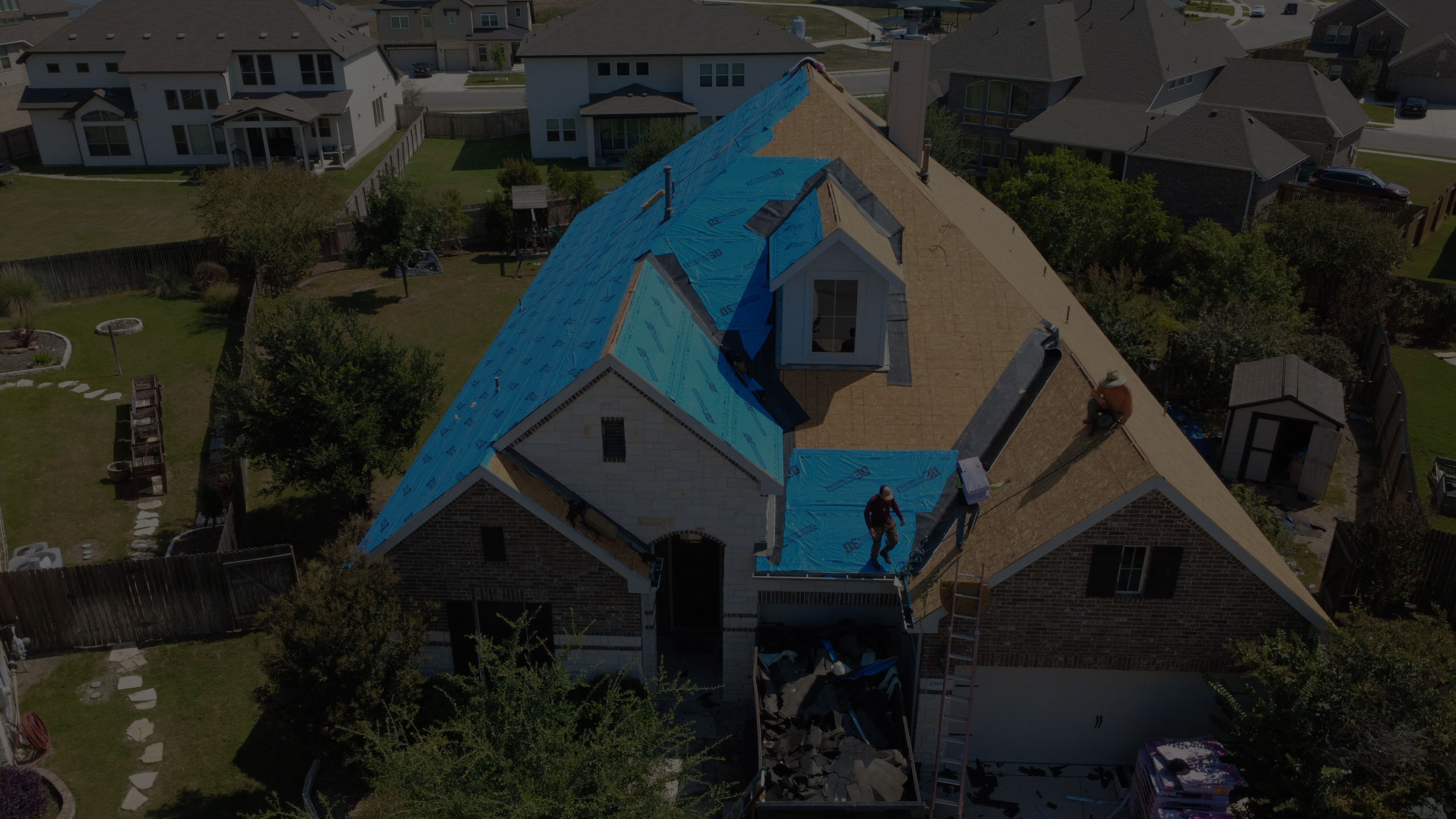
Clear any debris that has collected in the gutters, as it can hold moisture against the roof edge. If you find a lot of granules in the gutter, that is another sign of significant shingle wear.
Document Everything for Your Insurance Claim
If you find damage, take clear photos and notes before you make any temporary repairs. Insurance companies need evidence of the storm's impact. Photograph each damaged area with a reference point, like a ruler or a coin, to show scale. Also photograph the overall roof from the ground to show the extent of the damage. Keep a dated log of what you found and when.
Most policies require you to report damage within a certain time frame, so act quickly. A professional inspection report from a licensed roofing contractor can strengthen your claim. Many contractors will provide a free roof inspection and a written estimate that you can submit to your insurer.
When to Call a Professional
Some damage is obvious and easy to fix, but other issues are subtle and require experience to identify. If you are unsure about the condition of your roof, or if you find damage that seems widespread, it is worth bringing in a professional. A trained inspector knows where to look for hidden problems, such as underlayment damage or compromised roof decking that is not visible from the surface.
For homeowners in Cedar Park, Leander, and nearby North Austin communities, a local roofing contractor like Regenesis Roofing & Restoration LLC can provide a thorough inspection and honest assessment. They understand the typical hail patterns in the area and can help you navigate the repair process from start to finish.
Prevent Future Problems
Once you have identified and addressed any damage, think about preventive measures. Regular maintenance, like cleaning gutters and trimming overhanging branches, reduces the risk of future damage. If your roof is older or has a history of hail damage, you might consider impact-resistant roofing materials when it is time for replacement. Metal roofs, for example, withstand hail better than asphalt shingles in many cases, though they can still dent.
Also consider installing impact-resistant skylights and ventilation caps if those are a weak point on your roof. A small investment now can save you from a major repair after the next hailstorm.
Regenesis Roofing & Restoration LLC, located at 2302 John Tee Dr, Cedar Park, TX 78613, USA, can be reached at +1 512-674-5979 for a free roof inspection or any roofing needs. They serve the Cedar Park, Leander, and nearby North Austin communities with roof inspections, repairs, replacements, hail damage restoration, and storm-related roofing services.
Regenesis Roofing & Restoration LLC is also on Instagram.